
Top Pumps for Small, Medium and Large Biogas Plants
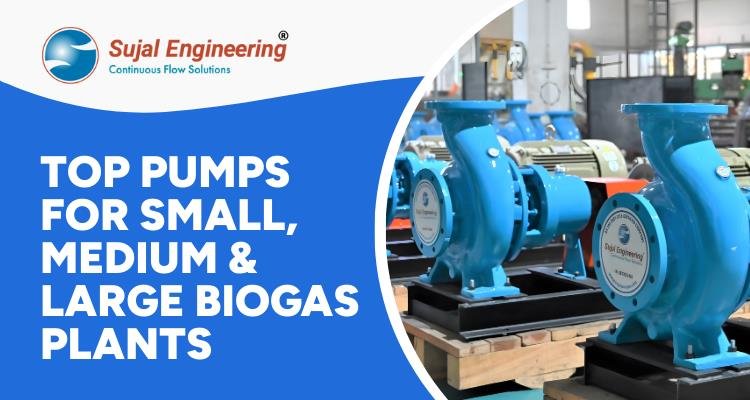
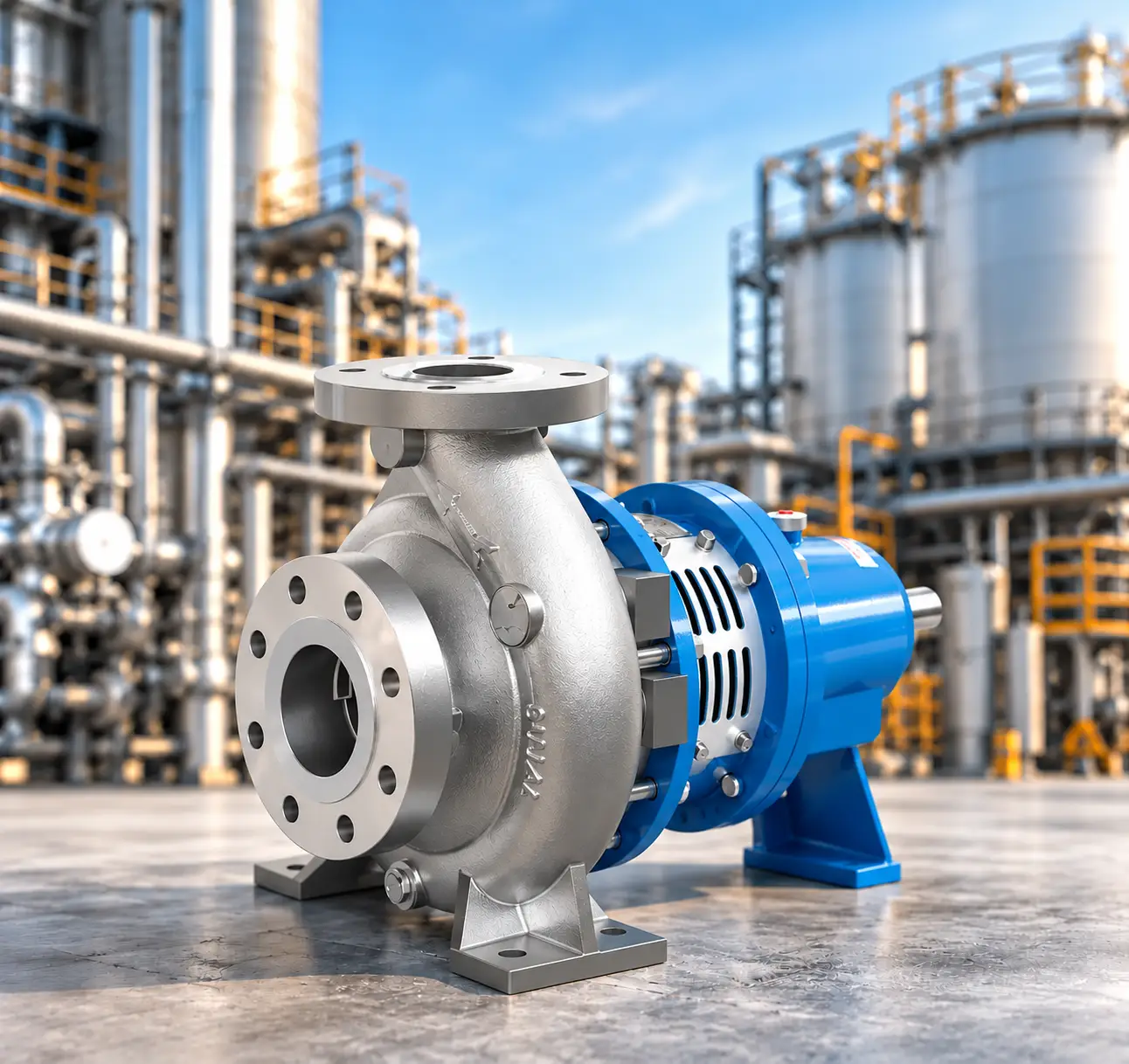
Choosing the right pump for your biogas plant directly impacts operational efficiency, maintenance costs, and overall energy output. Whether you’re running a small farm-based biogas unit or managing a large industrial anaerobic digestion facility, slurry pumps, chemical process pumps, and centrifugal pumps are the backbone of smooth biogas operations.
At Sujal Engineering, we understand that biogas plants handle thick slurry, corrosive digestate, and high-solids waste – conditions that demand pumps built for continuous duty and harsh environments. This guide lists the top pump choices for small, medium, and large biogas plants, helping you select equipment that maximizes uptime and minimizes operational headaches.
Why Do Biogas Plants Need Specialized Pumps?
Biogas plants aren’t like standard water treatment facilities. They deal with organic waste, agricultural residues, and high-viscosity slurry that can clog, corrode, or damage ordinary pumps within weeks.
Here’s what makes biogas pumping challenging:
- High Solids Content: Slurry often contains 8-15% total solids including fibrous materials
- Corrosive Environment: Methane generation creates acidic conditions that attack metal components
- Continuous Operation: Most biogas plants run 24/7, requiring pumps with minimal downtime
- Temperature Variations: Digesters operate at 35-55°C, requiring pumps that handle thermal expansion
Standard pumps fail fast in biogas applications. You need pumps specifically engineered for slurry handling, corrosion resistance, and continuous duty cycles.
What Makes a Good Biogas Plant Pump?
Before moving into specific pump types, let’s establish the non-negotiables:
✓ Solids-Handling Capability
The pump must pass fibrous materials and particulates without clogging. Look for open impeller designs or progressive cavity mechanisms.
✓ Corrosion-Resistant Materials
Stainless steel, polypropylene, or specialized coatings protect against acidic digestate and hydrogen sulfide exposure.
✓ Low Maintenance Design
Fewer wear parts and easy access for service mean less downtime. Self-priming and non-clog features are major advantages.
✓ Energy Efficiency
Biogas plants aim for net positive energy. Your pumps shouldn’t drain that advantage with excessive power consumption.
✓ Proven Durability
Continuous operation demands pumps rated for 50,000+ hours in harsh conditions.
Top Pumps for Small Biogas Plants (Up to 100 kW Capacity)
Small biogas plants—typically farm-based or community-scale operations—process 1-10 tons of organic waste daily. These plants need reliable, cost-effective pumps that handle moderate flow rates without breaking the budget.
1. Self-Priming Mud Pumps
Why they work: These pumps excel at handling thick biogas slurry with minimal manual intervention. The self-priming feature means no need for external priming systems or foot valves.
Best for:
- Agricultural biogas plants processing animal manure
- Small-scale food waste digesters
- Community biogas projects
Key advantage: Handles solids up to 25-30mm diameter without clogging.
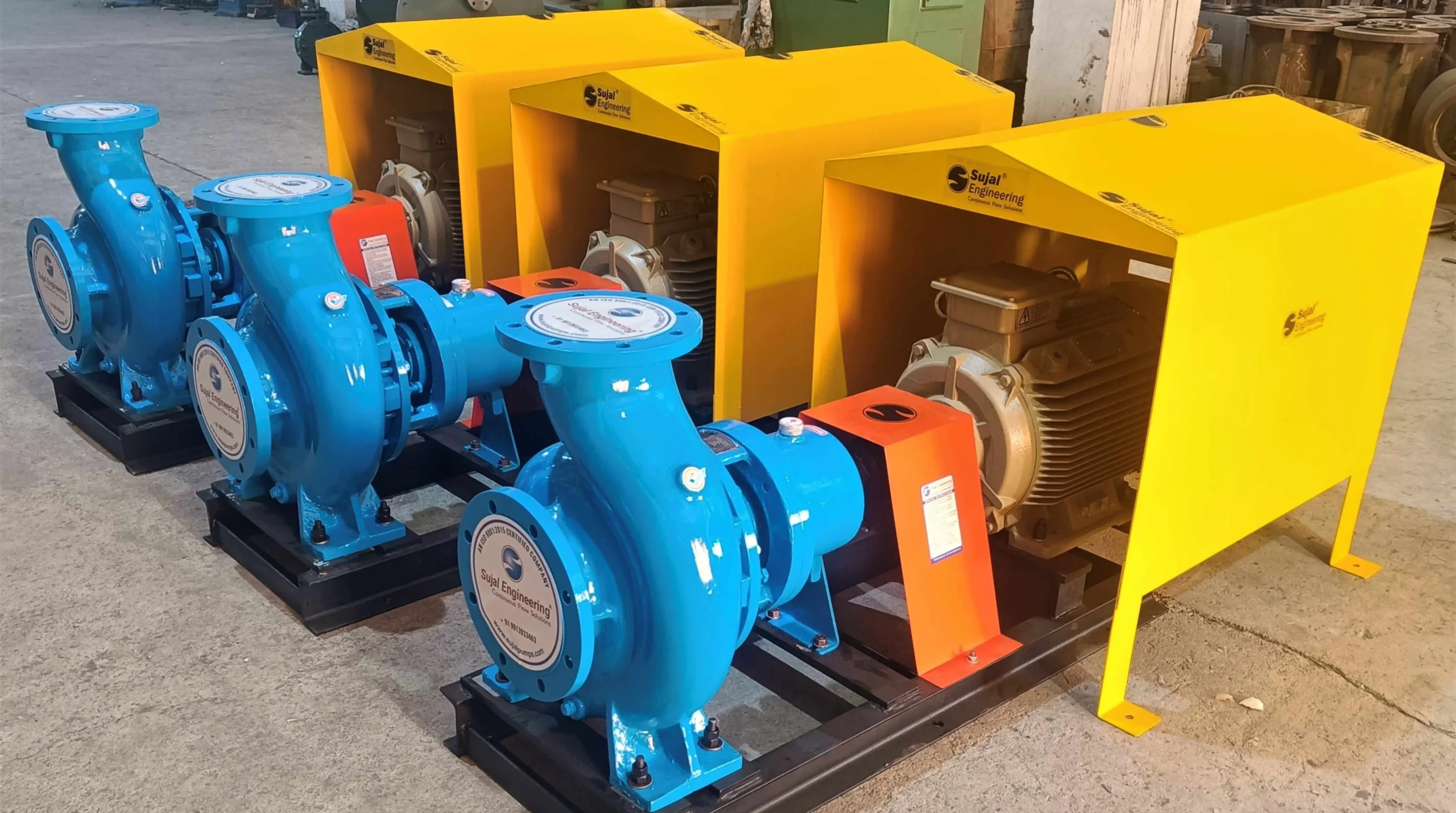
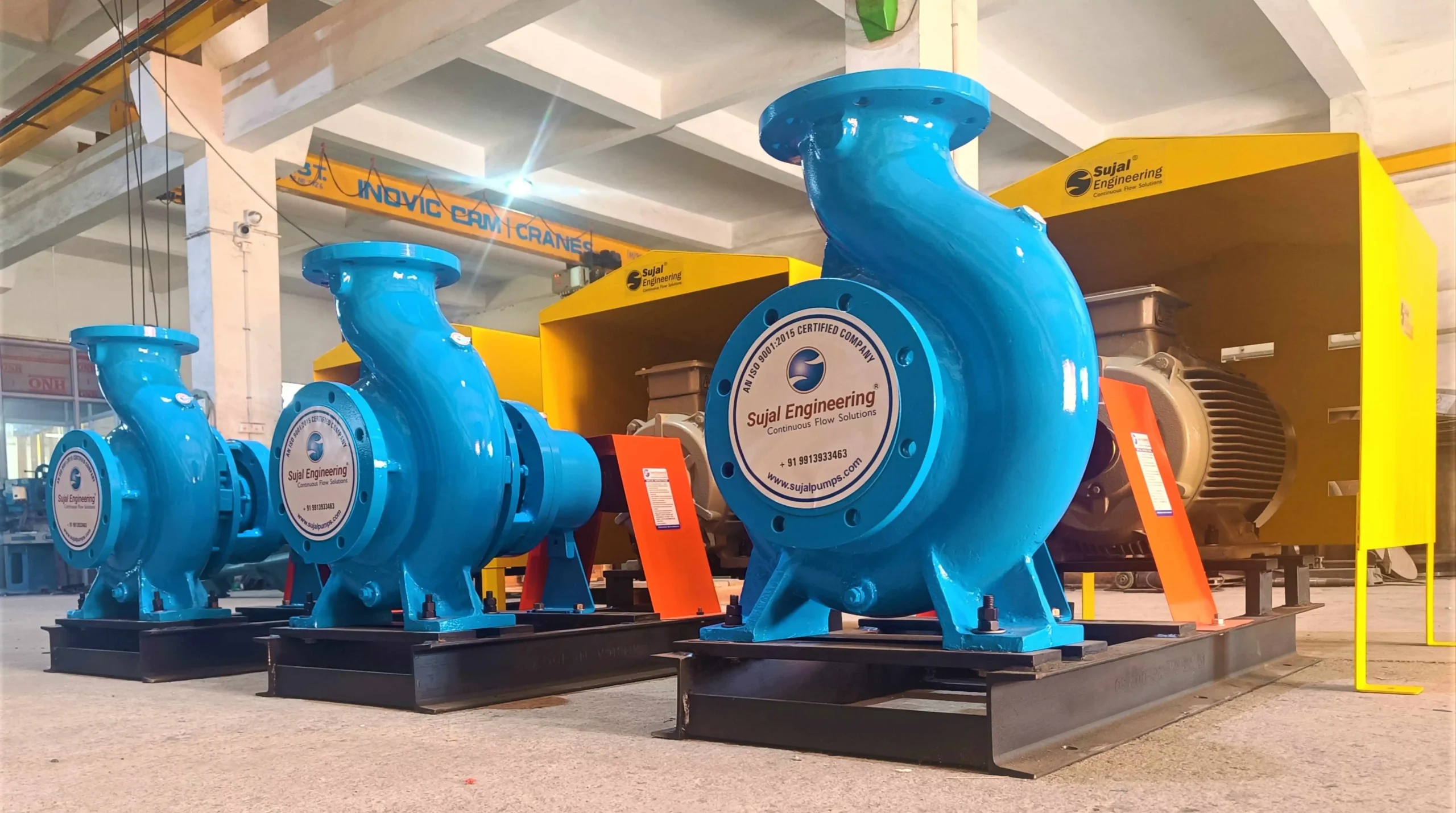
2. Centrifugal Process Pumps (With open impeller)
Why they work: For cleaner digestate transfer and recirculation, centrifugal process pumps offer reliable performance with lower maintenance compared to positive displacement alternatives.
Best for:
- Digestate recirculation
- Effluent transfer to storage tanks
- Pre-treated feedstock pumping
Key advantage: Lower energy consumption and fewer moving parts mean reduced operating costs.
3. Air Operated Double Diaphragm (AODD) Pumps
Why they work: AODD pumps run on compressed air (often available from biogas compressors), making them explosion-proof and ideal for potentially hazardous biogas environments.
Best for:
- Transferring thick slurry with unpredictable solid content
- Remote feeding stations
- Batch processing operations
Key advantage: Inherently safe in flammable gas atmospheres—no electrical ignition risk.
Sujal Engineering Insight: For small biogas plants, we recommend starting with non-clog self-priming pumps or AODD pumps depending on your solids content. They offer the best balance of reliability and initial investment.
Best Pumps for Medium-Sized Biogas Plants (100-500 kW Capacity)
Medium biogas plants handle 10-50 tons daily, often serving food processing facilities, dairy operations, or municipal organic waste programs. These operations need powerful pumps that balance flow capacity with durability.
1. Heavy-Duty Slurry Pumps
Why they work: Purpose-built for high-solids slurry; these pumps feature reinforced impellers and abrasion-resistant casings that withstand the punishment of continuous biogas operations.
Best for:
- Main digester feeding systems
- High-solids digestate transfer (10-15% solids)
- Agricultural biogas plants with fibrous feedstock
Key specs:
- Flow rates: 50-200 m³/hr
- Solid passage: 40-80mm
- Materials: Hardened cast iron or duplex stainless steel
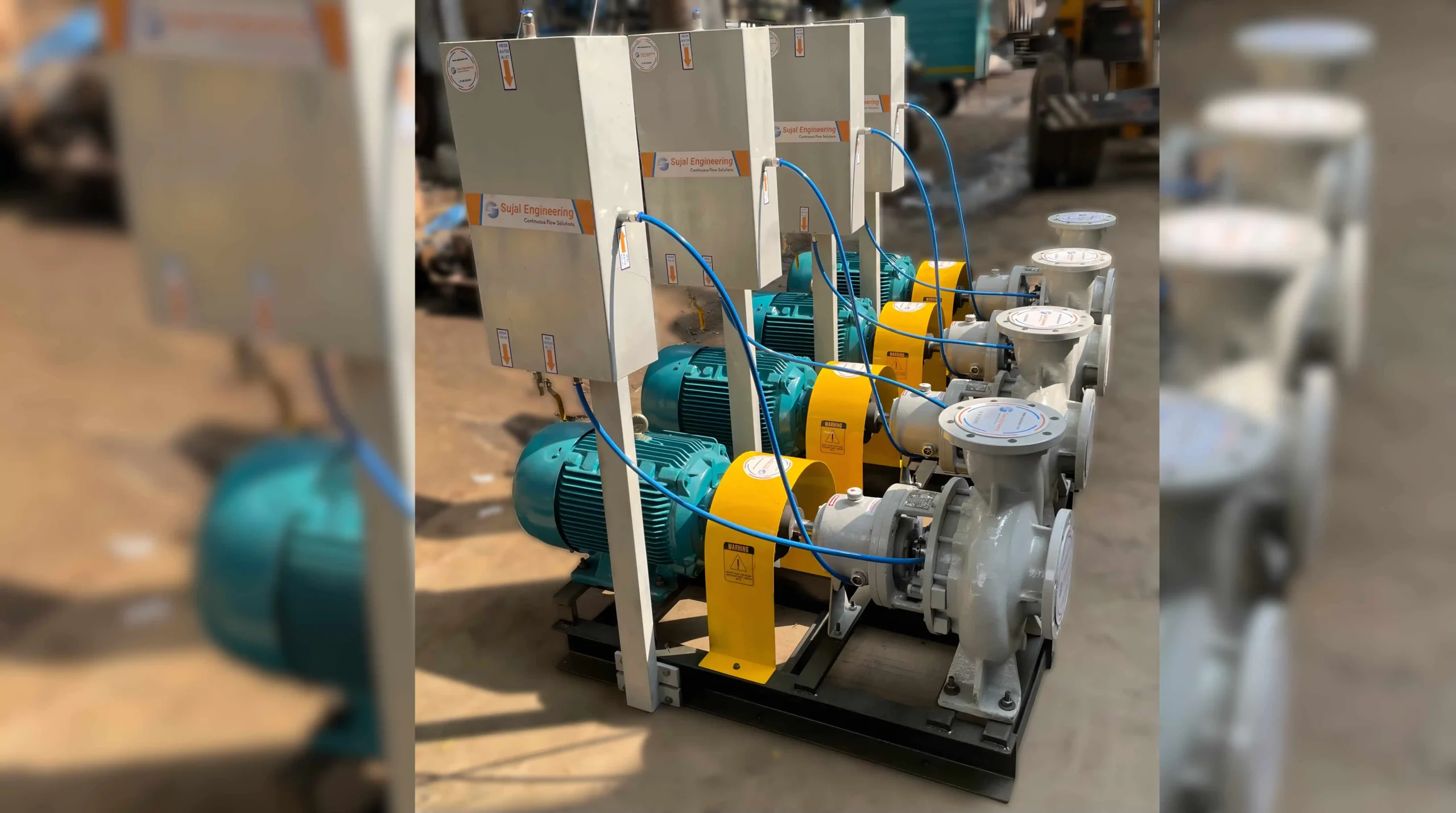
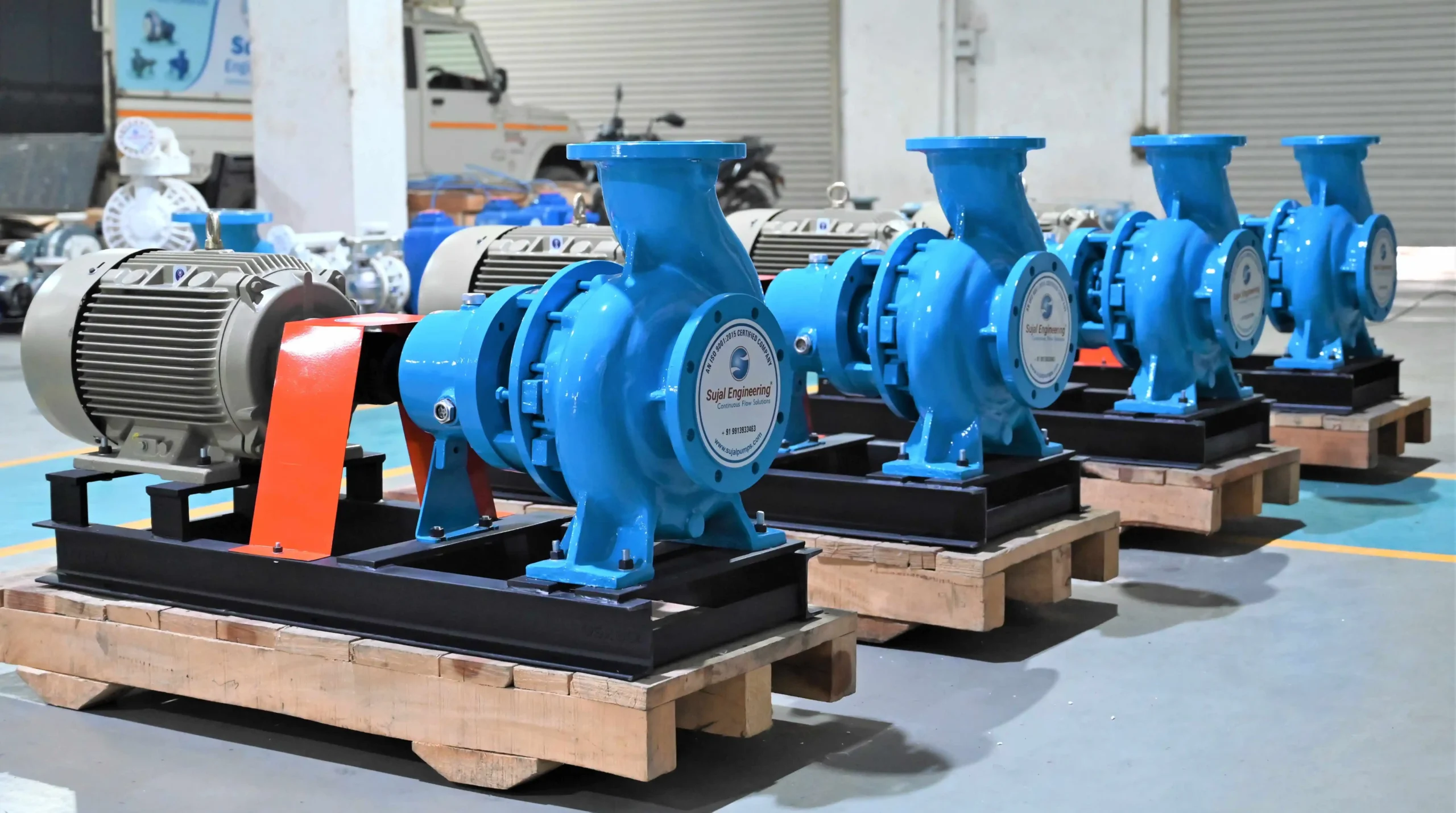
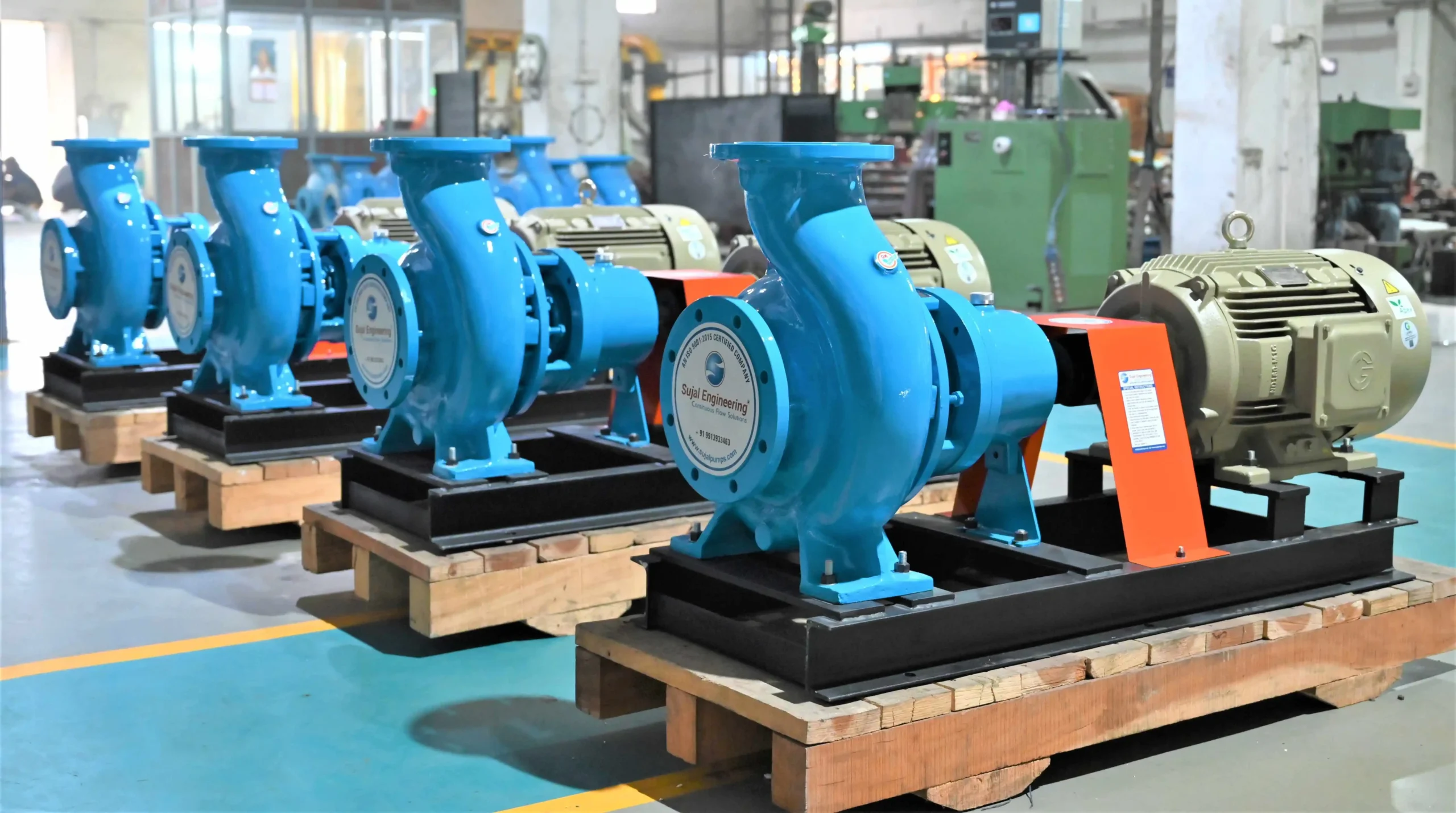
2. Chemical Process Pumps
Why they work: Biogas plants often add pH adjusters, enzymes, or anti-foaming agents. Chemical process pumps safely handle these additives while resisting corrosion from aggressive digestate chemistry.
Best for:
- Additive injection systems
- Heated substrate circulation
- Digestate pH balancing operations
Key advantage: Leak-free mechanical seals prevent contamination and maintain process integrity.
3. Vertical Long Shaft Pumps
Why they work: In medium and large plants, digestate storage tanks can be 4-8 meters deep. Vertical long shaft pumps reach the bottom without requiring pit installations or submersible units.
Best for:
- Deep storage tank drainage
- Mixing and homogenization
- Preventing sediment buildup
Key advantage: Easy maintenance—motor stays above tank level while impeller handles slurry below.
Heavy-Duty Pumps for Large Biogas Plants (500+ kW Capacity)
Large-scale biogas plants process 50+ tons daily, often industrial facilities or centralized waste management operations. These plants demand premium pumps that justify higher initial costs through years of reliable service.
1. Industrial Slurry Pumps (High-Capacity)
Why they work: Built like tanks, these pumps handle the most demanding biogas applications with flow rates exceeding 200 m³/hr and total heads up to 50 meters.
Best for:
- Main substrate feeding for large digesters
- Long-distance slurry transfer (500+ meters)
- Industrial biogas processing facilities
Key specs:
- Replaceable wear plates and impellers
- Tungsten carbide or ceramic coatings
- Designed for 60,000+ operating hours
2. Rotary Gear Pumps
Why they work: For precise flow control and consistent pressure, rotary gear pumps deliver metered feeding to digesters – critical for maintaining optimal biogas production rates.
Best for:
- Controlled substrate dosing
- Maintaining consistent organic loading rates
- Systems requiring precise flow regardless of viscosity changes
Key advantage: Flow rate remains constant even as slurry viscosity varies throughout the day.
3. Submersible Sewage Pumps (Digestate Handling)
Why they work: After digestion, biogas plants must handle liquid effluent efficiently. Submersible sewage pumps sit directly in collection pits, automatically managing water levels without priming issues.
Best for:
- Post-digestion effluent transfer
- Wastewater management
- Automatic sump drainage systems
Key advantage: Automatic operation with float switches reduces labor requirements.
4. Thermic Fluid Pumps (For Heated Systems)
Why they work: Large biogas plants often use heat recovery systems. Thermic fluid pumps circulate heating medium through digester jackets, maintaining optimal 38°C or 55°C temperatures for mesophilic or thermophilic digestion.
Best for:
- Heat exchanger circulation
- Maintaining consistent digester temperatures
- CHP waste heat recovery systems
Quick Comparison: Pump Types for Different Biogas Plant Sizes
|
Plant Size |
Primary Pumps |
Flow Rate |
Best Applications |
|
Small (< 100 kW) |
Self-Priming Mud Pumps, AODD Pumps, Open impeller centrifugal pumps |
5-50 m³/hr |
Farm biogas, manure processing, small food waste units |
|
Medium (100-500 kW) |
Slurry Pumps, Chemical Process Pumps, Vertical Long Shaft Pumps |
50-200 m³/hr |
Dairy operations, food processing, municipal organics |
|
Large (500+ kW) |
Industrial Slurry Pumps, Rotary Gear Pumps, Submersible Sewage Pumps |
200+ m³/hr |
Industrial waste, centralized biogas facilities, renewable energy plants |
How to Choose the Right Pump for Your Biogas Plant?
Selecting pumps isn’t just about matching flow rates. Consider these five critical factors:
1. Analyze Your Feedstock Composition
High-fiber agricultural waste needs a larger solid passage (60mm+) compared to food processing waste (30-40mm).
2. Calculate Total System Head
Include friction losses through pipes, elevation changes, and pressure requirements. Under-sizing pumps leads to poor performance.
3. Consider Future Expansion
If you plan to increase capacity 20-30% within 3 years, size pumps accordingly now—retrofitting is expensive.
4. Evaluate Maintenance Access
Pumps requiring specialized technicians or rare spare parts create operational vulnerabilities. Prioritize designs with local service support.
5. Calculate Total Cost of Ownership
A cheaper pump that requires monthly maintenance costs more over 5 years than a premium pump serviced annually.
Ready to discuss your specific biogas pumping requirements?
Sujal Engineering’s technical team can analyze your plant parameters and recommend optimized pump configurations. Contact us for a free consultation
What Are the Common Pumping Challenges in Biogas Plants?
Even with the right pumps, operators face recurring issues. Here’s how to fix them:
Problem: Frequent Clogging
Solution: Upgrade to pumps with larger solid passage or add screening before pump intake. Consider non-clog self-priming designs.
Problem: Rapid Wear and Corrosion
Solution: Switch to polypropylene pumps or stainless-steel models. Implement regular pH monitoring and adjust digestate chemistry.
Problem: Inconsistent Flow Rates
Solution: Install variable frequency drives (VFDs) for better control, or upgrade to rotary gear pumps for precise metering.
Problem: High Energy Consumption
Solution: Conduct pump efficiency audit. Oversized pumps running at partial capacity waste electricity. Right-size your equipment.
Problem: Excessive Maintenance Downtime
Solution: Implement predictive maintenance using vibration monitoring. Keep critical spare parts on-site for quick changeovers.
Why Sujal Engineering for Biogas Plant Pumps?
With over three decades of experience in industrial pumping solutions, Sujal Engineering provides pumps engineered specifically for the demanding conditions of biogas operations:
✓ Complete Range: From small self-priming mud pumps to heavy-duty industrial slurry pumps
✓ Proven Reliability: Pumps operating in biogas plants across India with 95%+ uptime
✓ Expert Consultation: Free technical assessment to match pumps to your specific feedstock and plant capacity
✓ After-Sales Support: Nationwide service network ensuring minimal downtime
Explore our full range of biogas-compatible pumps including centrifugal process pumps, chemical process pumps, slurry pumps, and AODD pumps at www.sujalpumps.com.
Take the Next Step Toward Efficient Biogas Operations
The right pump selection separates profitable biogas plants from those constantly fighting maintenance issues and downtime. Whether you’re designing a new facility or upgrading existing equipment, investing in proven pumps built for biogas applications pays dividends through reduced maintenance, improved efficiency, and reliable energy production.
Need help selecting the perfect pumps for your biogas plant?
Sujal Engineering’s technical experts are ready to analyze your requirements and recommend solutions driven by decades of industrial pumping experience.
Frequently Asked Questions (FAQs)
1. Can standard water pumps work in biogas plants?
No. Biogas slurry contains high solids, corrosive elements, and fibrous materials that quickly damage standard water pumps. Purpose-built slurry pumps or chemical process pumps are essential for reliable operation.
2. How often should biogas plant pumps be serviced?
This depends on pump type and operating conditions. High-solids slurry pumps typically need inspection every 2,000-3,000 operating hours. Chemical process pumps with sealed designs may run 5,000+ hours between services. Always follow manufacturer guidelines.
3. What’s the average lifespan of a biogas plant pump?
Quality industrial slurry pumps designed for biogas applications last 5-10 years with proper maintenance. Cheaper alternatives may require replacement within 18-24 months, making them more expensive for long-term.
4. Do I need different pumps for feeding and digestate removal?
Often yes. Feeding pumps handle thicker slurry (8-15% solids) requiring robust slurry pumps. Digestate removal deals with lower solids (3-6%) where centrifugal process pumps or submersible sewage pumps work efficiently.
5. Can pumps handle both organic waste and chemical additives?
Chemical process pumps with appropriate seal materials (PTFE, Viton) safely handle both digestate and additives like pH adjusters or anti-foam agents. Consult chemical compatibility charts before selection.