

How PVDF Lined Pumps Reduce the Risk of Chemical Leaks
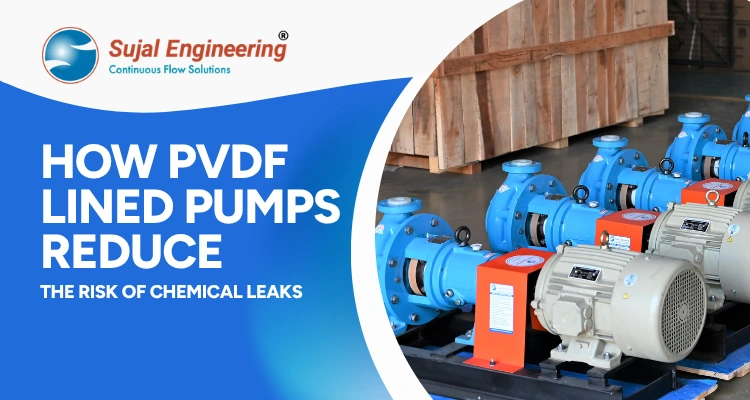
Chemical leaks are not just a maintenance headache. They are safety hazards, environmental risks, and expensive downtime events that plant managers work hard to avoid. PVDF lined pumps solve this problem at the material level, using a fluoropolymer barrier that resists the exact chemicals that eat through standard metal and plastic components.
At Sujal Pumps, we design and manufacture PVDF pumps for process industries that cannot afford a single leak, from acid transfer lines to corrosive slurry systems. This guide breaks down exactly how PVDF lining works, where it delivers the most value, and how to choose the right pump for your application.
Key Takeaways
- PVDF resists most acids and solvents: Polyvinylidene fluoride withstands strong acids, alkalis, and organic solvents that corrode stainless steel and standard plastics over time.
- Corrosion is the leading cause of chemical pump leaks: Internal corrosion thins pump walls and seals, creating micro-leaks long before a pump visibly fails.
- PVDF lining creates a chemical barrier, not just a coating: The lining bonds to a structural housing, so the wetted surface never contacts corrosive fluid directly.
- Temperature range matters: PVDF handles process temperatures up to around 150°C, wider than most polypropylene alternatives.
- PVDF lined pumps reduce total cost of ownership: Fewer leaks mean less product loss, less cleanup, and far fewer unplanned shutdowns.
- Seal design is as important as lining material: Leak prevention depends on matching the right mechanical seal or magnetic drive system to the chemical being pumped.
- Industry compliance often requires leak-proof handling: Pharmaceutical, chemical, and wastewater plants face strict regulatory standards for fluid containment.
- Not every chemical needs PVDF: Mild fluids may only need polypropylene lining, so matching material to chemistry avoids overspending.
What Makes PVDF the Right Lining Material for Chemical Pumps?
PVDF, or polyvinylidene fluoride, is a high-performance fluoropolymer known for exceptional chemical resistance. It holds up against concentrated acids, halogens, and many organic solvents that would degrade rubber, PVC, or even some grades of stainless steel.
Unlike standard plastics, PVDF also maintains its mechanical strength at higher temperatures. This combination of chemical resistance and thermal stability is exactly why process industries choose PVDF lined chemical pumps over conventional alternatives for their toughest transfer applications.
Plants handling sulphuric acid, hydrochloric acid, or aggressive solvent blends typically see the fastest return on switching to PVDF. The material simply does not degrade the way metal or general-purpose plastics do under constant chemical exposure.
How Do PVDF Lined Pumps Actually Prevent Chemical Leaks?
PVDF lined pumps prevent leaks by creating an inert barrier between the corrosive fluid and every wetted surface inside the pump. The lining sits between the fluid and the structural pump body, so corrosion never reaches the load-bearing components.
Most leaks in industrial pumps start small. A pinhole from corrosion, a hairline crack from chemical attack on a seal, or pitting along a weld seam eventually turns into a full leak. PVDF lining removes the root cause by keeping corrosive contact away from vulnerable metal surfaces entirely.
The lining also pairs with chemically resistant seals, gaskets, and O-rings, so the entire wetted path, not just the pump casing, resists the fluid being handled. This is why a properly specified PVDF pump for chemical industries can run for years without the seep-through failures common in unlined metal pumps.
Our engineers at Sujal Pumps can help you match the right seal configuration and lining thickness to your specific chemical profile, whether you are transferring acids, solvents, or reactive process fluids. Reach out to our team through Sujal Pumps to review your application before you specify a pump.
Where Are PVDF Lined Chemical Pumps Used Across Industries?
PVDF lined pumps show up wherever aggressive chemicals move through a process line. Common applications include acid transfer in metal finishing, solvent handling in pharmaceutical manufacturing, and effluent treatment in chemical plants.
Industries that rely heavily on PVDF lined chemical pumps include:
- Chemical processing and specialty chemical manufacturing
- Pharmaceutical and API production
- Textile dyeing and finishing operations
- Wastewater and effluent treatment plants
- Food and beverage processing involving acidic cleaning agents
- Electroplating and metal surface treatment
A chemical transfer pump built with PVDF lining is often the deciding factor between a system that runs reliably for years and one that needs constant seal replacements and cleanup after every batch.
PVDF vs Polypropylene Pumps: Which One Should You Choose?
Polypropylene, or PP, is another common lining material for chemical pumps, but it is not interchangeable with PVDF. The right choice depends on the chemical being handled, the operating temperature, and how aggressive the application is.
Factor | PVDF Lined Pumps | Polypropylene Pumps |
Chemical resistance | Excellent against strong acids, halogens, most solvents | Good against mild to moderate acids and alkalis |
Maximum operating temperature | Up to approximately 150°C | Typically, up to 80 to 90°C |
Mechanical strength | Higher, holds shape under thermal stress | Lower, softens faster under heat |
Typical cost | Higher upfront investment | More budget-friendly |
Best suited for | Aggressive acids, solvents, high-temperature transfer | General corrosive fluids at moderate temperatures |
UV and weathering resistance | Strong | Moderate |
If your process involves concentrated acids, halogenated solvents, or elevated temperatures, PVDF is almost always the safer long-term choice. For milder fluids at lower temperatures, a polypropylene pump can deliver solid performance at a lower cost.
Choosing the wrong lining material is one of the fastest ways to end up with a chemical leak within months of installation. Our team helps clients weigh chemical compatibility, temperature, and budget before making that call, so contact Sujal Pumps if you are unsure which lining fits your process.
What Chemicals Can PVDF Lined Pumps Safely Handle?
PVDF handles a wide range of aggressive chemicals that would compromise unlined metal or standard plastic pumps. Understanding this compatibility helps engineers specify the correct pump the first time, rather than discovering incompatibility after a leak.
Chemical Type | PVDF Compatibility | Common Application |
Sulphuric acid (concentrated) | Excellent | Metal pickling, chemical processing |
Hydrochloric acid | Excellent | Effluent treatment, cleaning systems |
Sodium hypochlorite | Excellent | Water treatment, bleaching |
Chlorinated solvents | Good to excellent | Solvent recovery, degreasing |
Strong alkalis | Good | Caustic soda handling |
Concentrated nitric acid (hot) | Limited, verify with supplier | High-temperature acid transfer |
This kind of chemical resistant pump material performance is why PVDF has become the default choice for acid transfer pumps in facilities where a single leak could mean regulatory violations or safety incidents. Always confirm compatibility with your exact chemical concentration and temperature before finalizing a specification.
How Do PVDF Lined Pumps Compare to Standard Metal Pumps for Leak Prevention?
Standard metal pumps, even in stainless steel, corrode when exposed to strong acids and halogens over time. That corrosion is gradual, which makes it dangerous. A pump can look fine on the outside while thinning from the inside until it fails without warning.
PVDF lined pumps remove this failure mode entirely for compatible chemicals. Because the fluoropolymer barrier does not react with the process fluid, there is no ongoing degradation of the wetted surface. This is a fundamentally different leak prevention strategy than relying on metal thickness and periodic inspection.
For plants that have dealt with repeated leaks in stainless steel or exotic alloy pumps, switching to a properly specified chemical process pump with PVDF lining often eliminates the recurring problem rather than just delaying it.
Explore how a PVDF centrifugal pump from Sujal Pumps can replace a leak-prone metal system in your process line and get in touch with our experts for a compatibility review specific to your chemicals.
What Should You Check Before Buying a PVDF Lined Pump?
Specifying the right PVDF lined pump takes more than confirming the lining material. A few overlooked details are usually behind premature leaks and failures in the field.
Before you buy, verify these points:
- Chemical concentration and temperature: PVDF compatibility charts assume specific concentration ranges, so always check your exact operating conditions.
- Seal type: Mechanical seals, magnetic drives, and gland packing all behave differently under chemical exposure, and the wrong choice undermines even the best lining.
- Flow rate and head requirements: An undersized or oversized pump strains seals and joints, increasing leak risk regardless of lining quality.
- Lining thickness and bonding method: Thin or poorly bonded PVDF lining can crack under thermal cycling, so ask your manufacturer for bonding specifications.
- Certifications: Pharmaceutical and food-grade applications often require specific material certifications beyond standard industrial use.
Our team at Sujal Pumps works through each of these factors with clients before recommending a pump, since a mismatch on any single point can shorten the service life of an otherwise well-built unit.
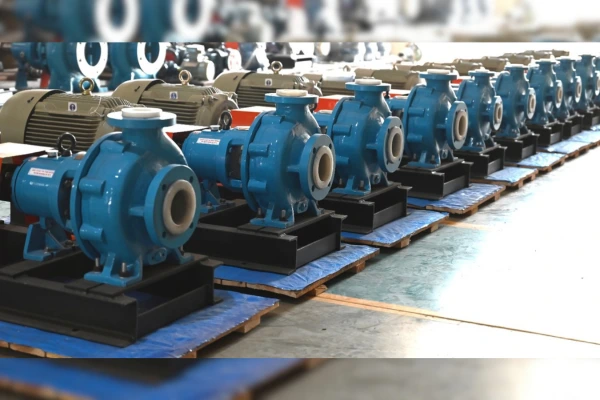
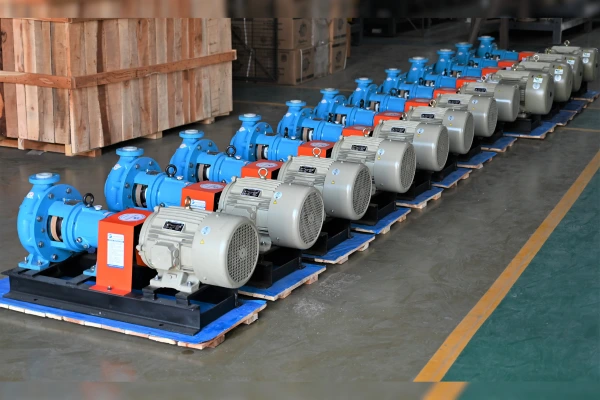
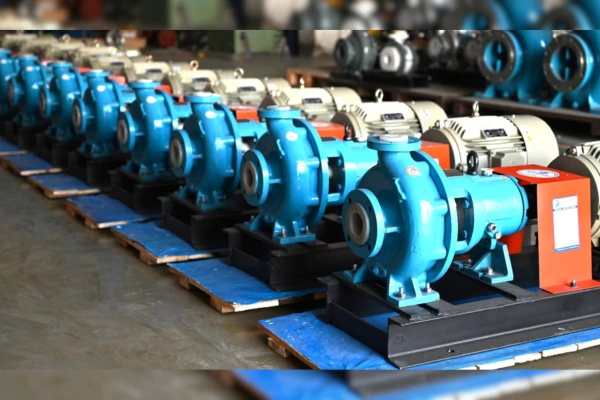
How Do You Maintain PVDF Lined Pumps for Long-Term Leak Prevention?
Even a properly specified PVDF lined pump needs routine attention to stay leak-free over its service life. Maintenance schedules should focus on the components most likely to wear before the lining itself does.
Key maintenance practices include:
- Inspecting seals and gaskets on a fixed schedule, since these typically wear faster than the PVDF lining
- Checking for thermal cycling stress if the pump handles fluids that shift temperature frequently
- Monitoring for cavitation, which can damage lining edges even when chemical resistance is not the issue
- Verifying alignment and vibration levels, since mechanical stress accelerates seal wear independent of chemical exposure
- Keeping a record of chemical concentration changes, since process shifts can push a fluid outside the pump’s original compatibility range
Routine checks like these extend the life of any industrial chemical pump and catch small issues before they become leaks. A consistent maintenance plan is often the difference between a pump that runs for a decade and one that needs early replacement.
Final Thoughts on Choosing PVDF Lined Pumps
Chemical leaks are preventable when the pump material matches the chemistry it needs to handle. PVDF lined pumps solve the corrosion problem at its source, giving plant engineers a reliable, long-term solution for acids, solvents, and other aggressive fluids that standard pumps cannot safely manage.
Sujal Pumps has spent years engineering pumps for process industries that cannot tolerate downtime or contamination risk. If your plant is dealing with recurring leaks, corrosion issues, or an upcoming project involving corrosive chemical transfer, our team can help you specify the right PVDF lined pump for your exact application. Get in touch with Sujal Pumps to discuss your requirements.
Frequently Asked Questions
1. What is a PVDF lined pump used for?
A PVDF lined pump is used to transfer aggressive chemicals like concentrated acids, chlorinated solvents, and strong alkalis without the corrosion risk that standard metal or plastic pumps face. It is common in chemical processing, pharmaceutical manufacturing, and wastewater treatment.
2. Is PVDF better than stainless steel for chemical pumps?
For highly corrosive chemicals, PVDF often outperforms stainless steel because it does not react with acids and halogens the way metal alloys can over time. Stainless steel remains a better choice for applications involving high mechanical stress or abrasive slurries.
3. Can PVDF lined pumps handle high temperatures?
PVDF lined pumps typically handle temperatures up to approximately 150°C, which is higher than most polypropylene lined alternatives. Always confirm the exact temperature rating with your pump manufacturer for your specific chemical and concentration.
4. How long do PVDF lined pumps last?
With proper specification and routine seal maintenance, PVDF lined pumps commonly run for many years without lining failure, since the fluoropolymer barrier itself does not degrade from chemical exposure within its compatibility range.
5. What is the difference between PVDF and PP lined pumps?
PVDF offers stronger chemical resistance and higher temperature tolerance than PP, making it the better choice for aggressive acids and solvents. PP lined pumps are typically more cost-effective for milder chemicals at lower operating temperatures.
6. Do PVDF lined pumps prevent all chemical leaks?
PVDF lining significantly reduces leak risk by eliminating lining-related corrosion, but overall leak prevention also depends on proper seal selection, correct sizing, and routine maintenance. A well-specified pump addresses all of these factors together.
7. Which industries use PVDF lined pumps the most?
Chemical processing, pharmaceutical manufacturing, textile dyeing, wastewater treatment, and metal finishing industries rely most heavily on PVDF lined pumps due to the aggressive chemicals involved in their processes.
8. How do I know if my application needs PVDF instead of PP?
If your process involves concentrated acids, halogenated solvents, or temperatures above what PP can handle, PVDF is generally the safer and more durable option. Reviewing your chemical compatibility chart with a pump specialist is the most reliable way to confirm.